

F U T U R E H I S T O R Y
歌舞伎舞踊・女形の〈系譜〉と〈型〉
LINEAGE AND FORM OF ONNAGATA
PAST|1753|2026|BEYOND
Curated by RANSHOU
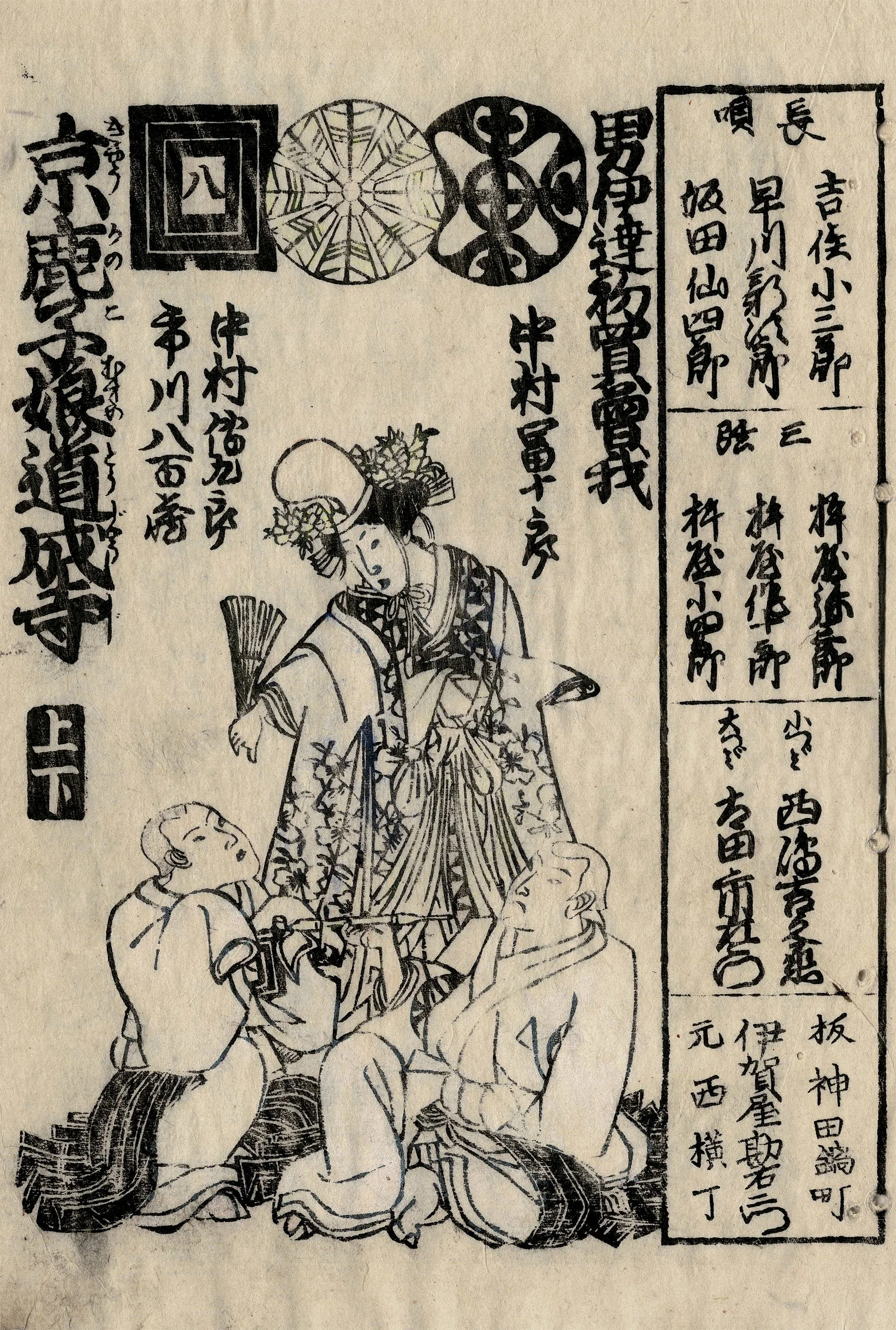
1. 憂き世から浮世へ:聖性、物語、記憶、そして型
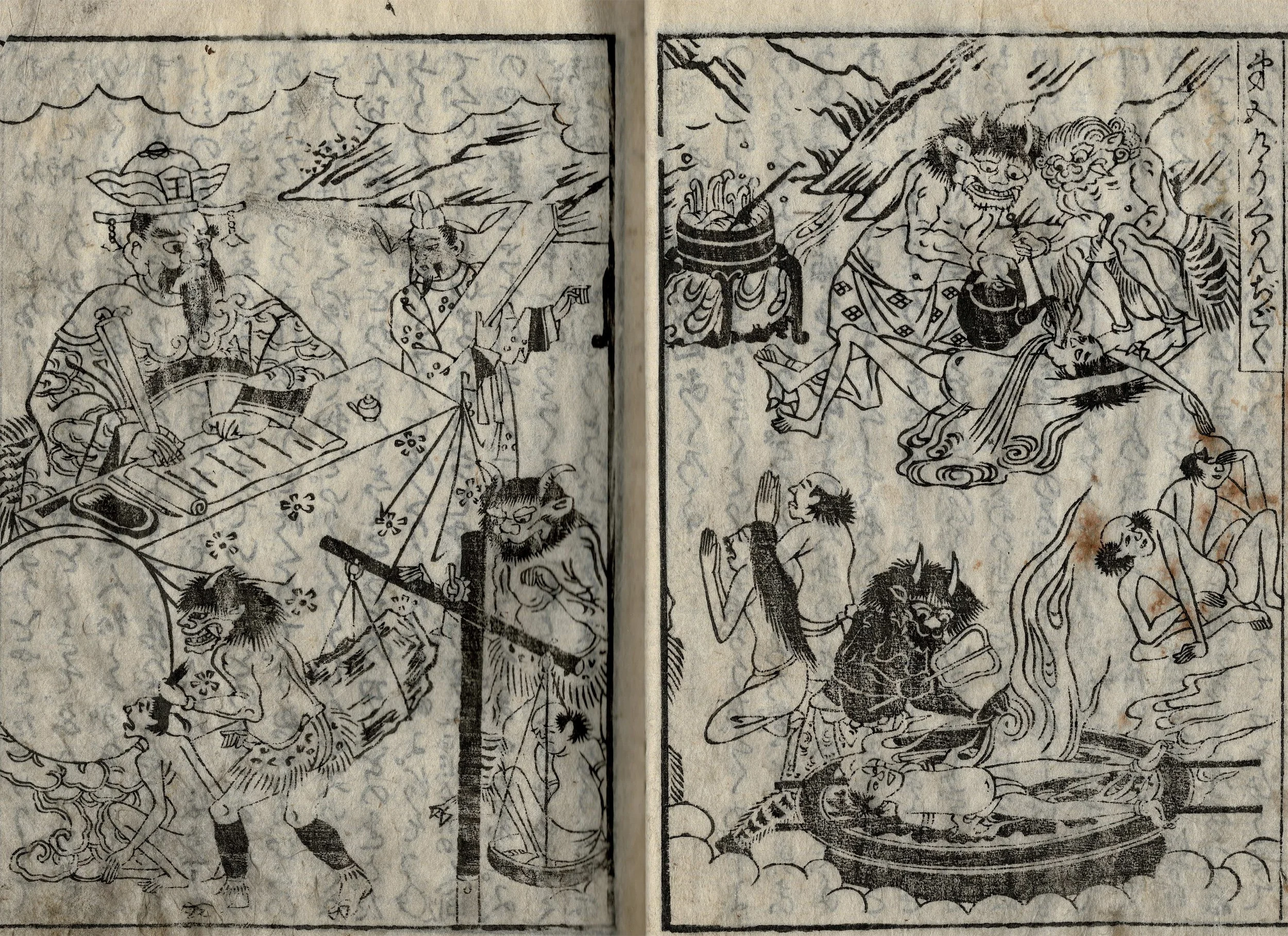
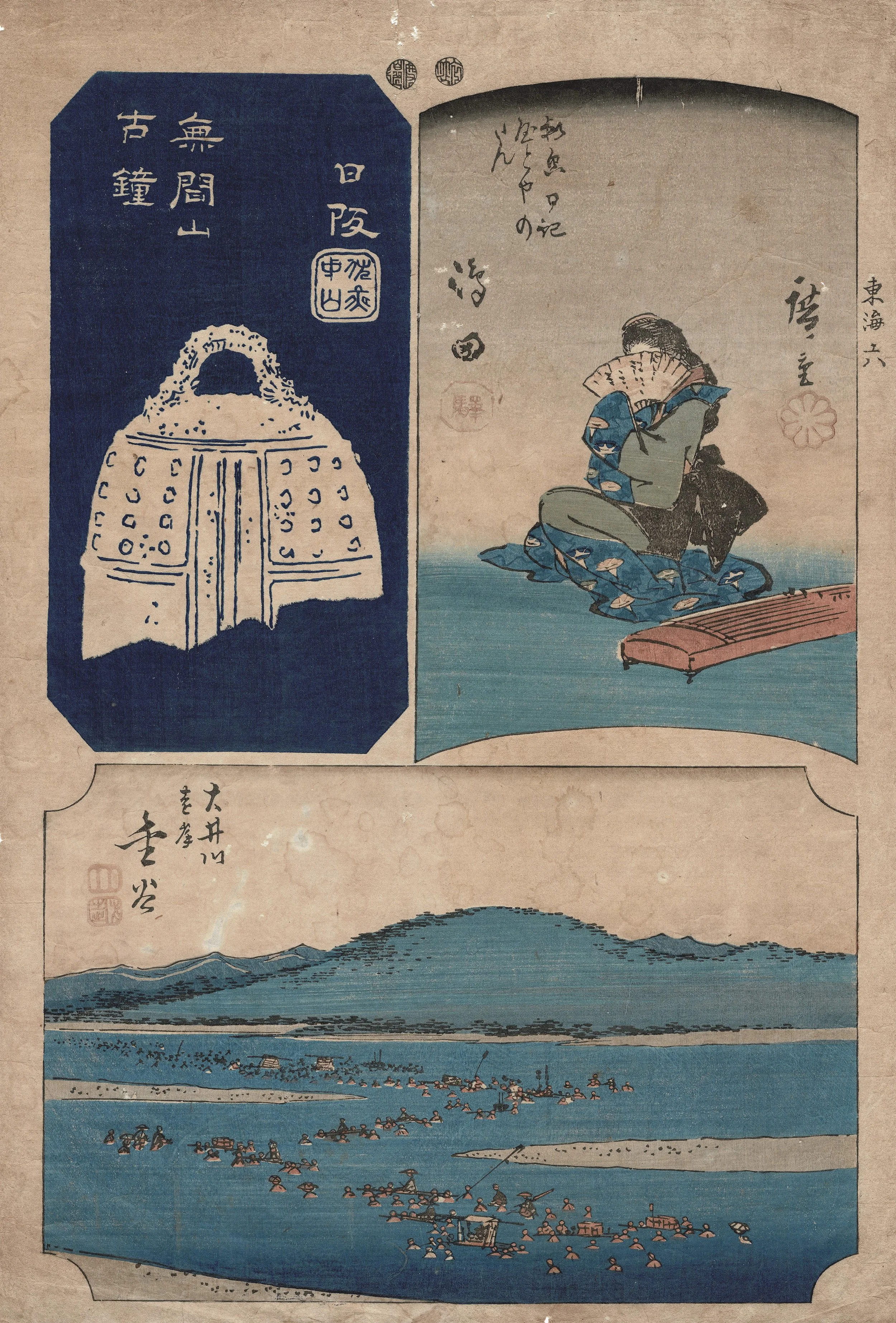
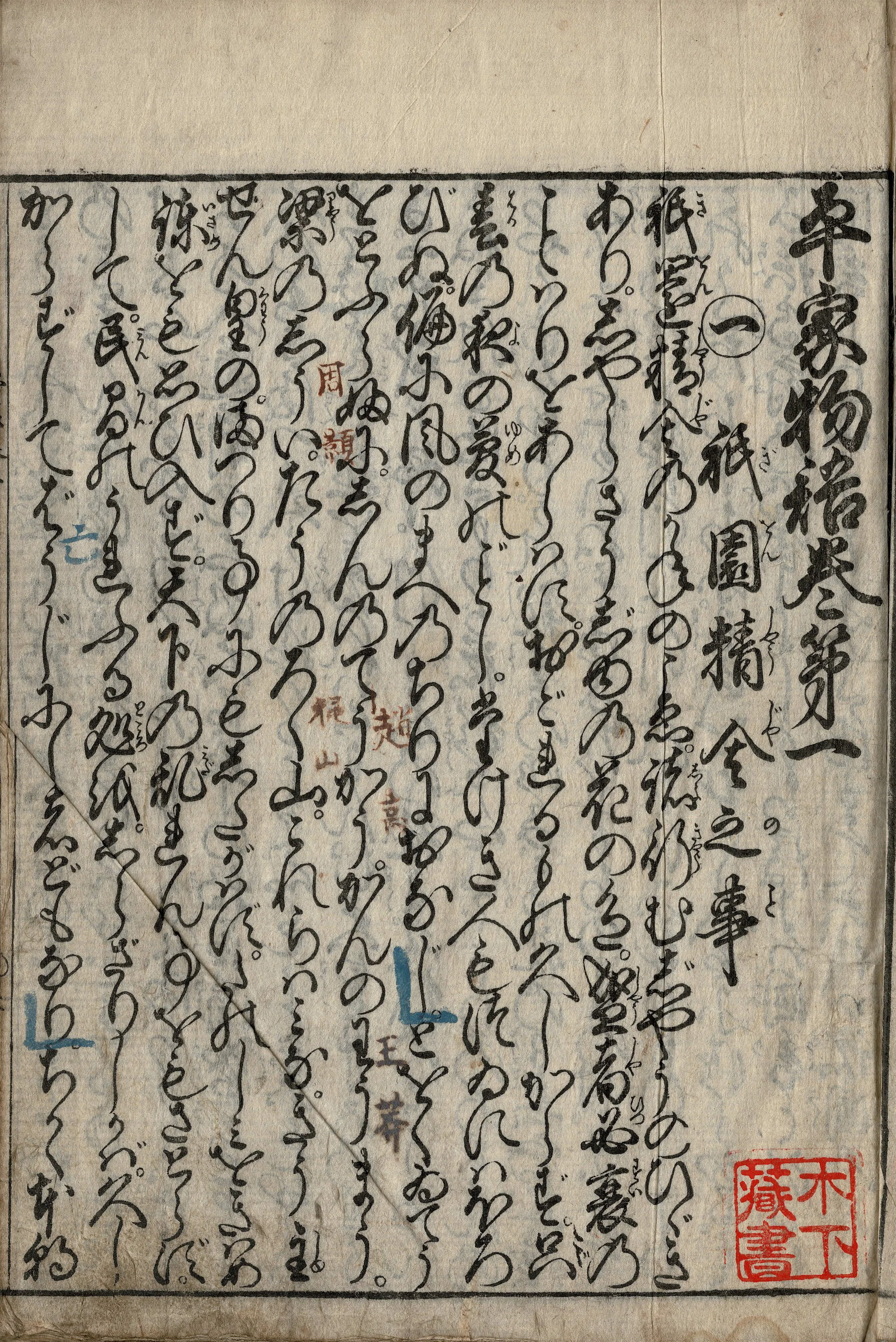
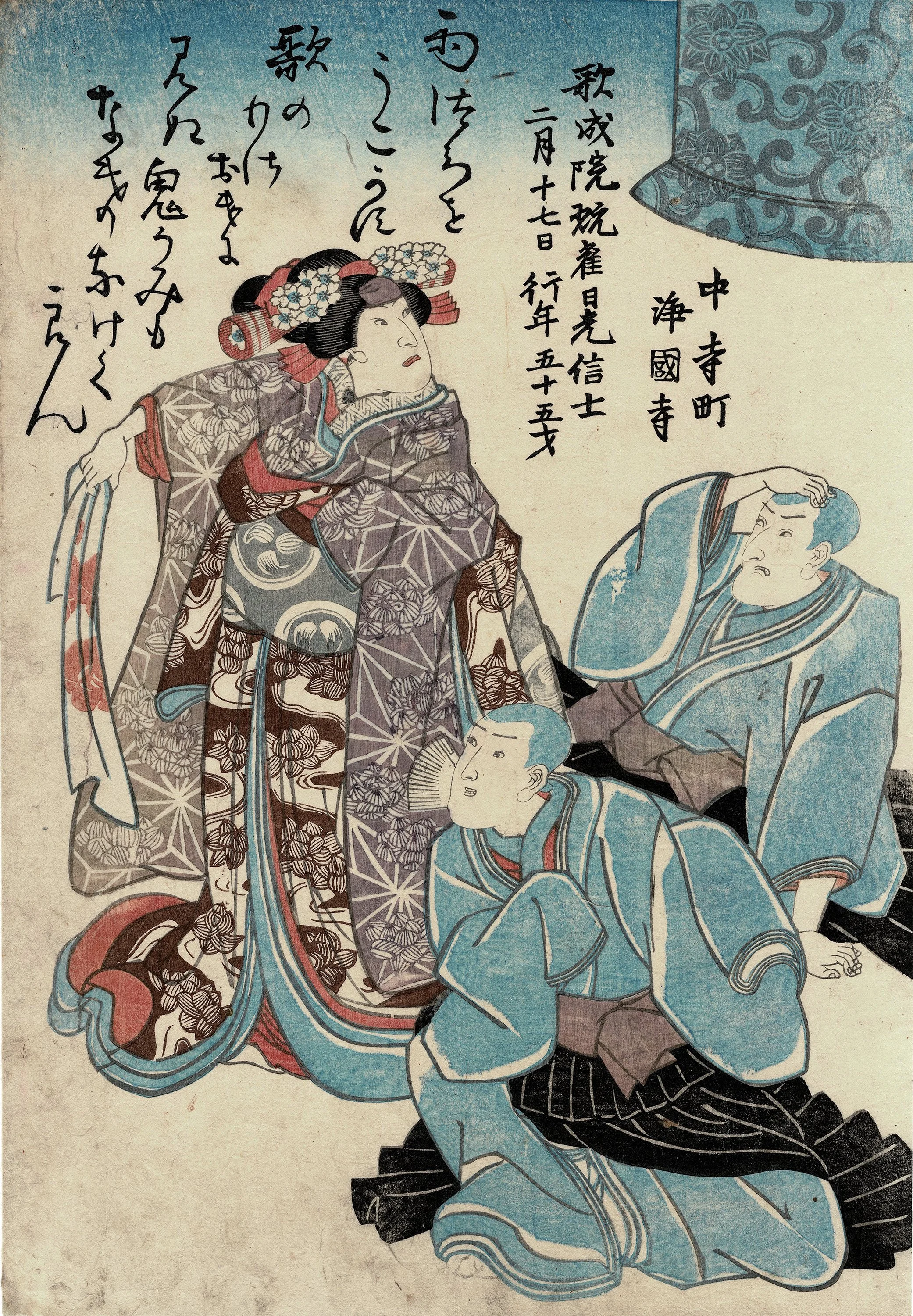
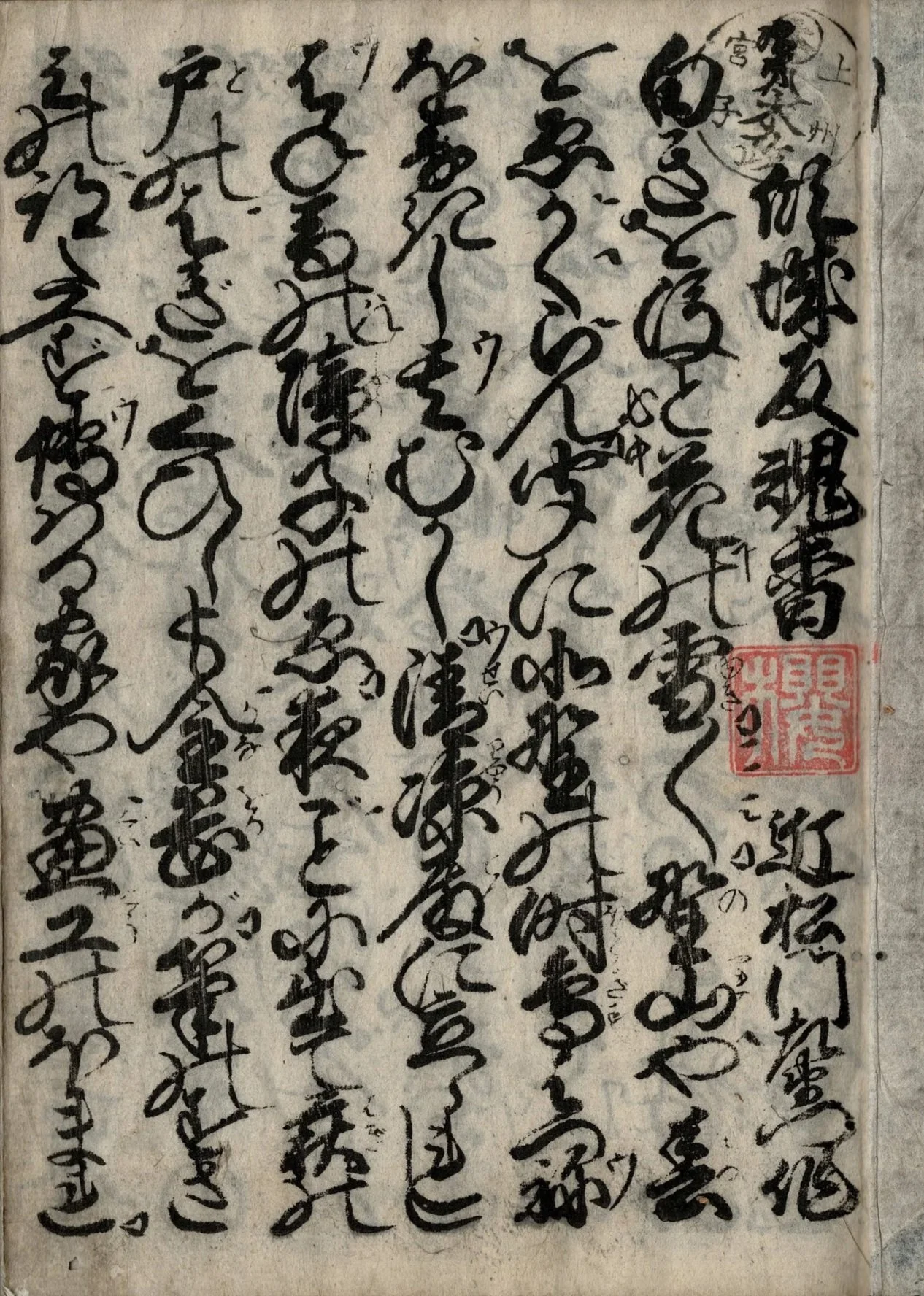
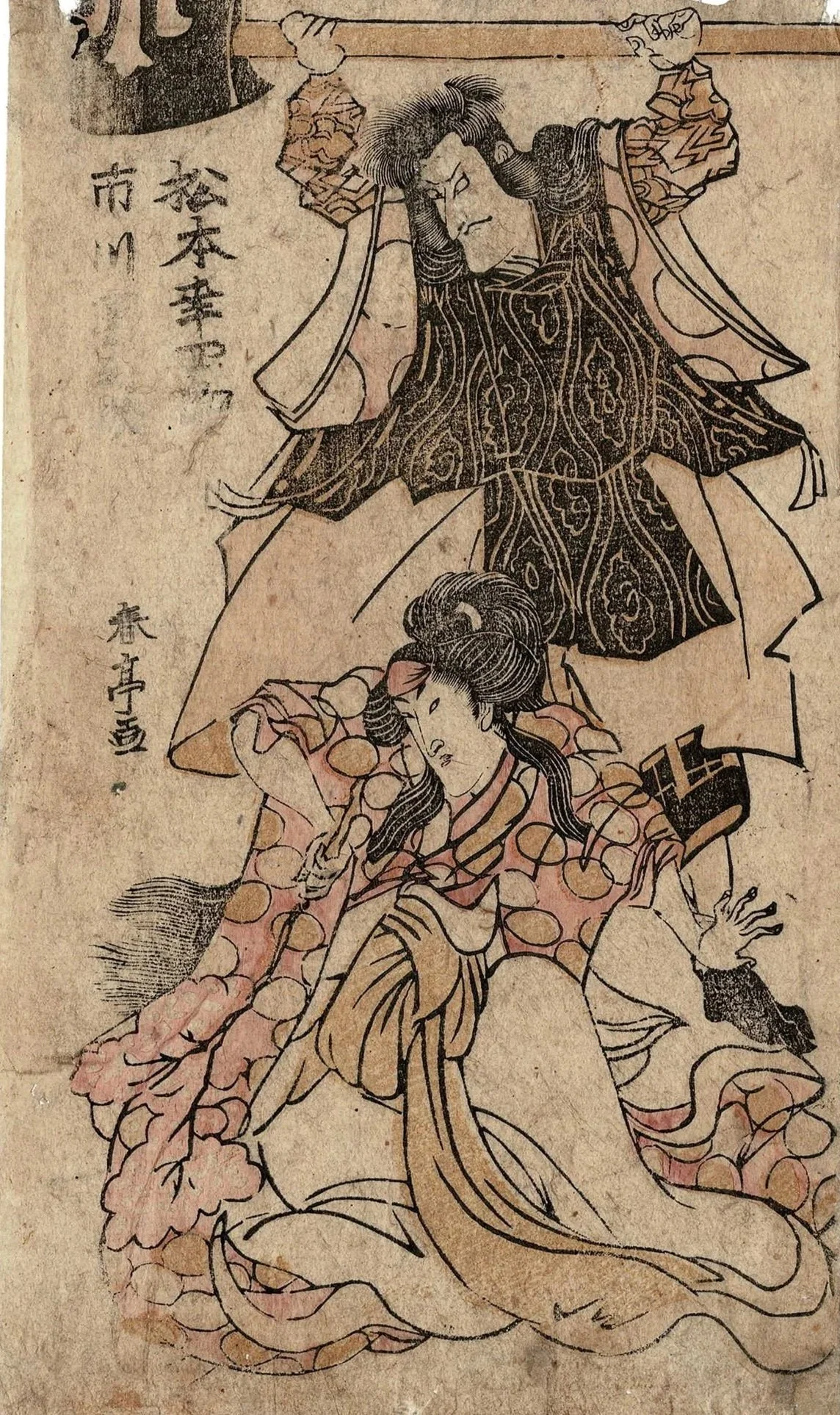
1753年に初演された歌舞伎舞踊・女形の最高峰『京鹿子娘道成寺』が、今日までどのように踊り継がれてきたかを見つめます。これまではその題名から、道成寺伝説、すなわち、僧〈安珍〉と少女〈清姫〉をめぐる執心と変身の物語を中心に語られることが少なくありませんでした。しかし本作は、当時の思想・宗教観、古典文学、伝承・言伝え、演劇表現といった複数の文化的記憶と、江戸の世相とが重なり合い成立したものです。そうした複層的な要素と、関連する50点以上にのぼる当時の版本や浮世絵などの作品や資料を一挙に公開します。
This section explores the enduring legacy and transmission of the masterpiece Kyōkanoko Musume Dōjōji. Historically, the work has often been discussed through the Dōjōji legend — the story of the monk Anchin and the young woman Kiyohime, whose consuming anger and jealousy transform her into a great serpent. Yet the formation of the performance is far more layered. It represents a profound convergence of cultural memories, encompassing the thought and religious worldviews of the period, classical literature, folklore, oral traditions, and evolving theatrical expression, all inseparably linked to the vibrant social fabric of Edo. By bringing together more than fifty works and materials from the period, including early printed books and ukiyo-e prints, this section reveals the intricate strata of meaning embedded within this iconic work of the onnagata repertoire.
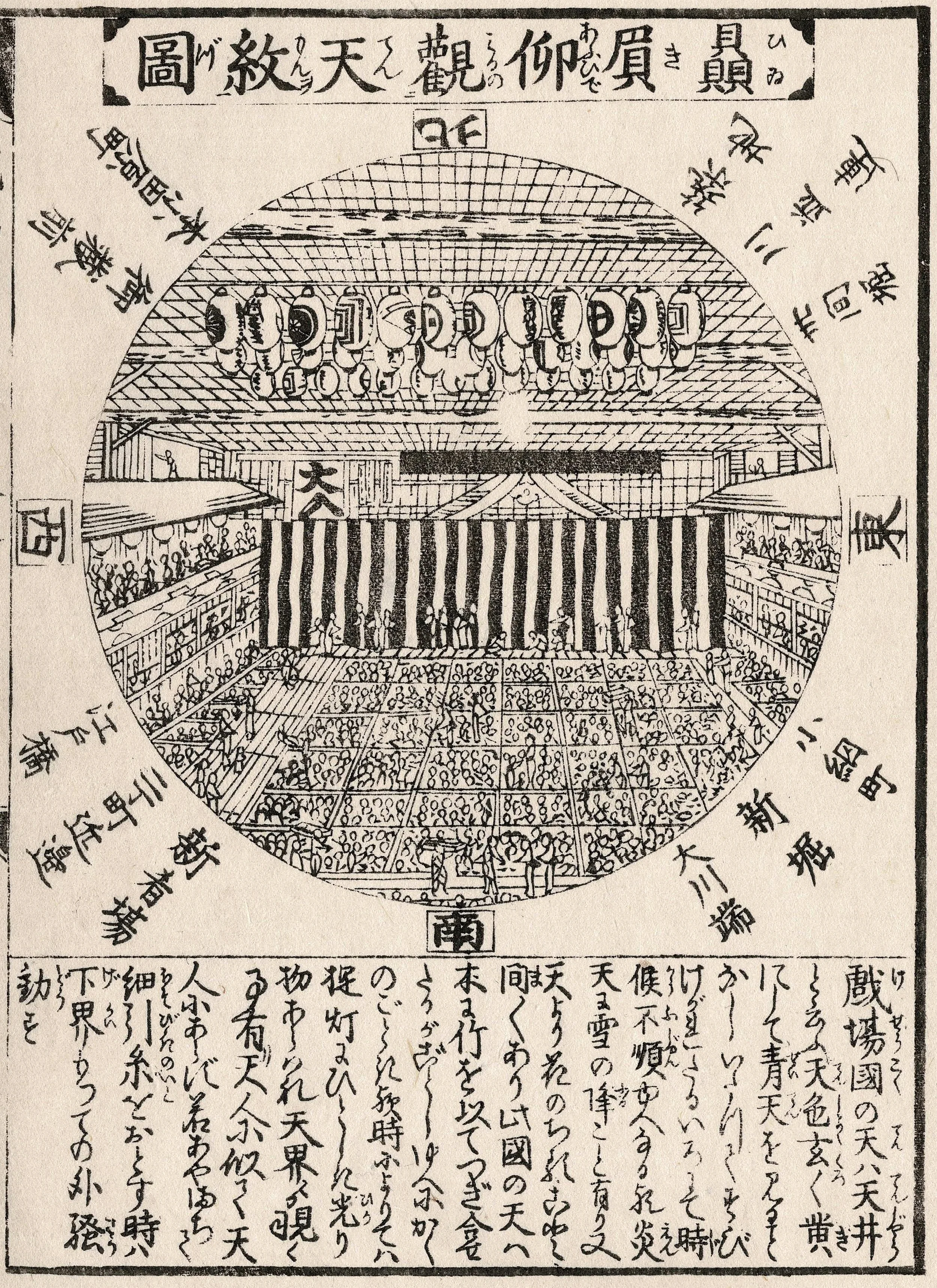
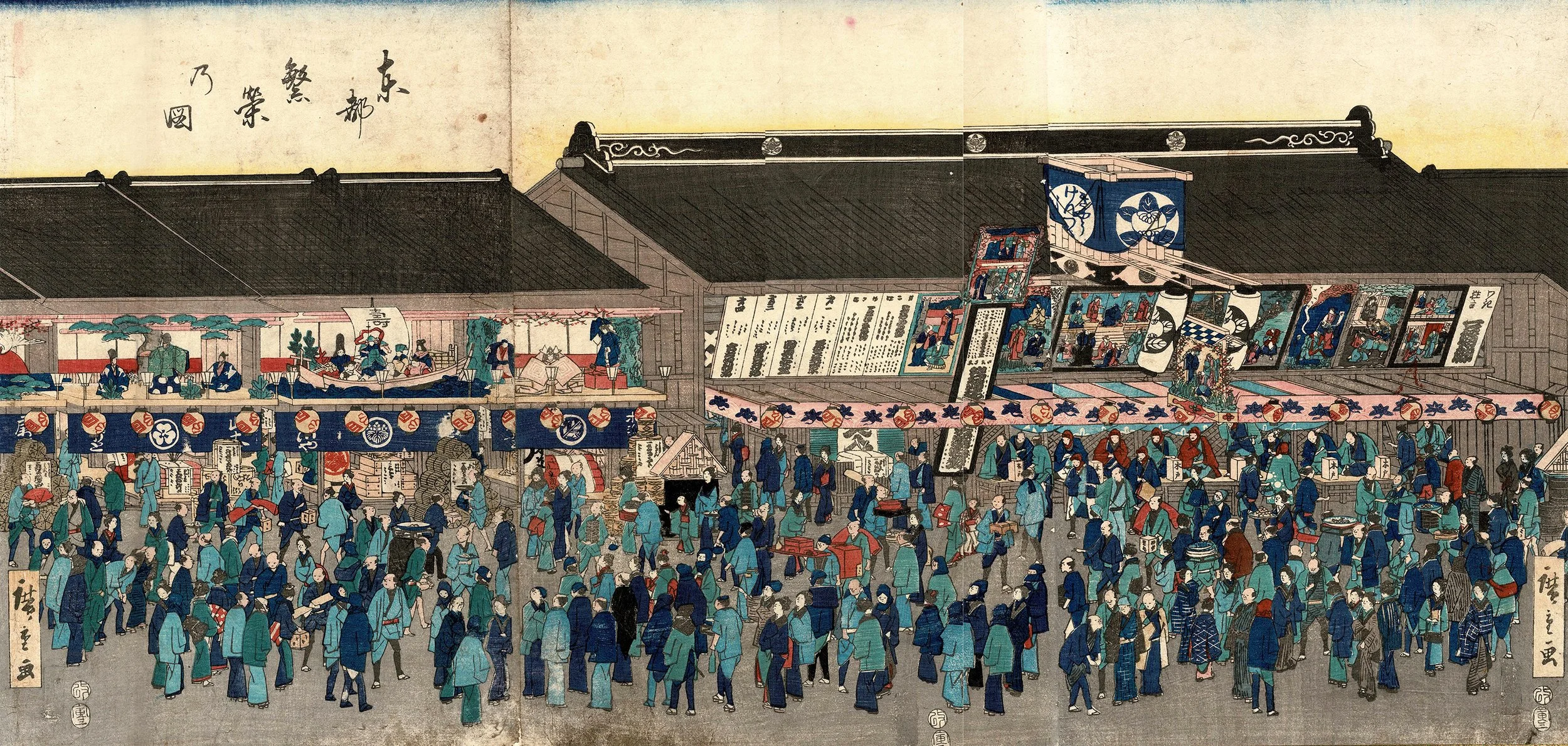
2. 役者・舞台・観客 / 魂・身体・衣裳
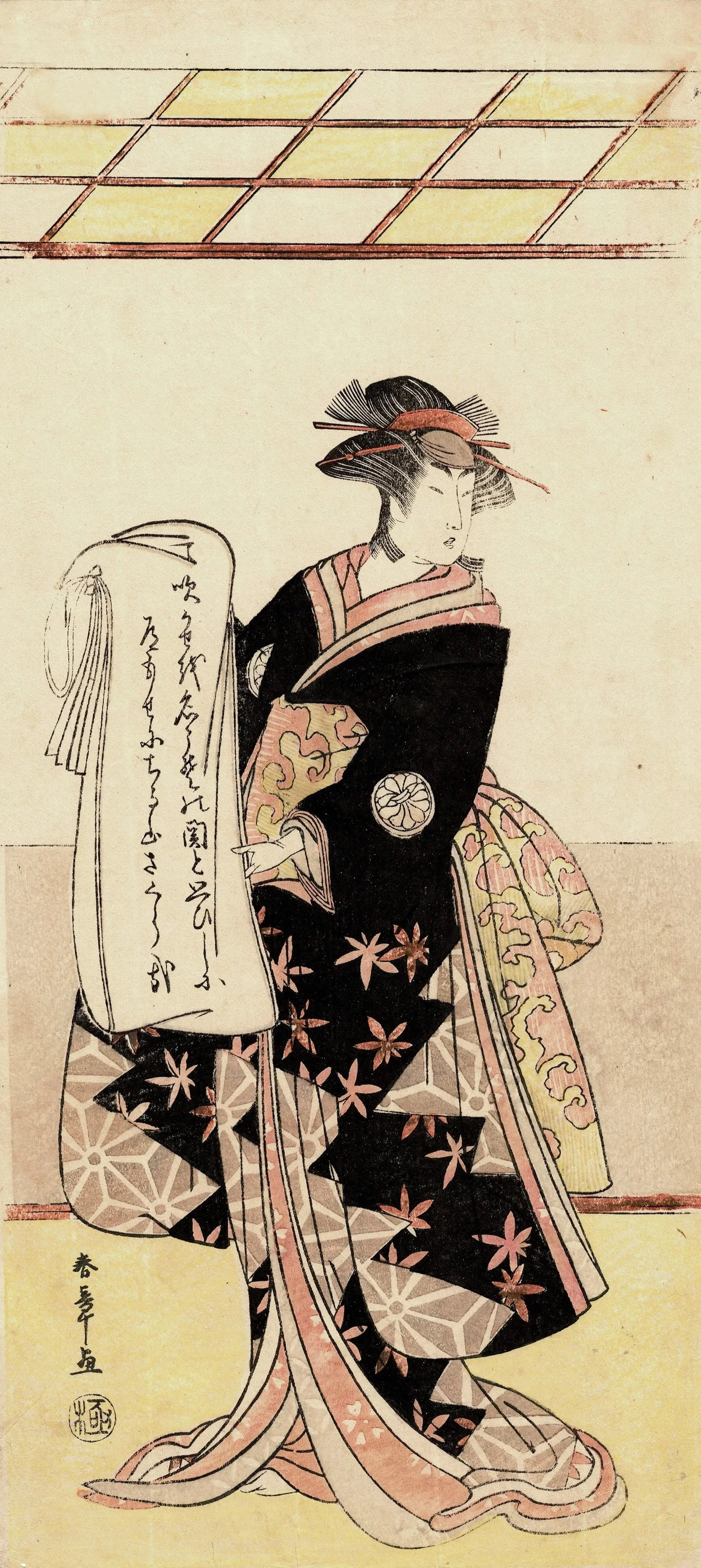
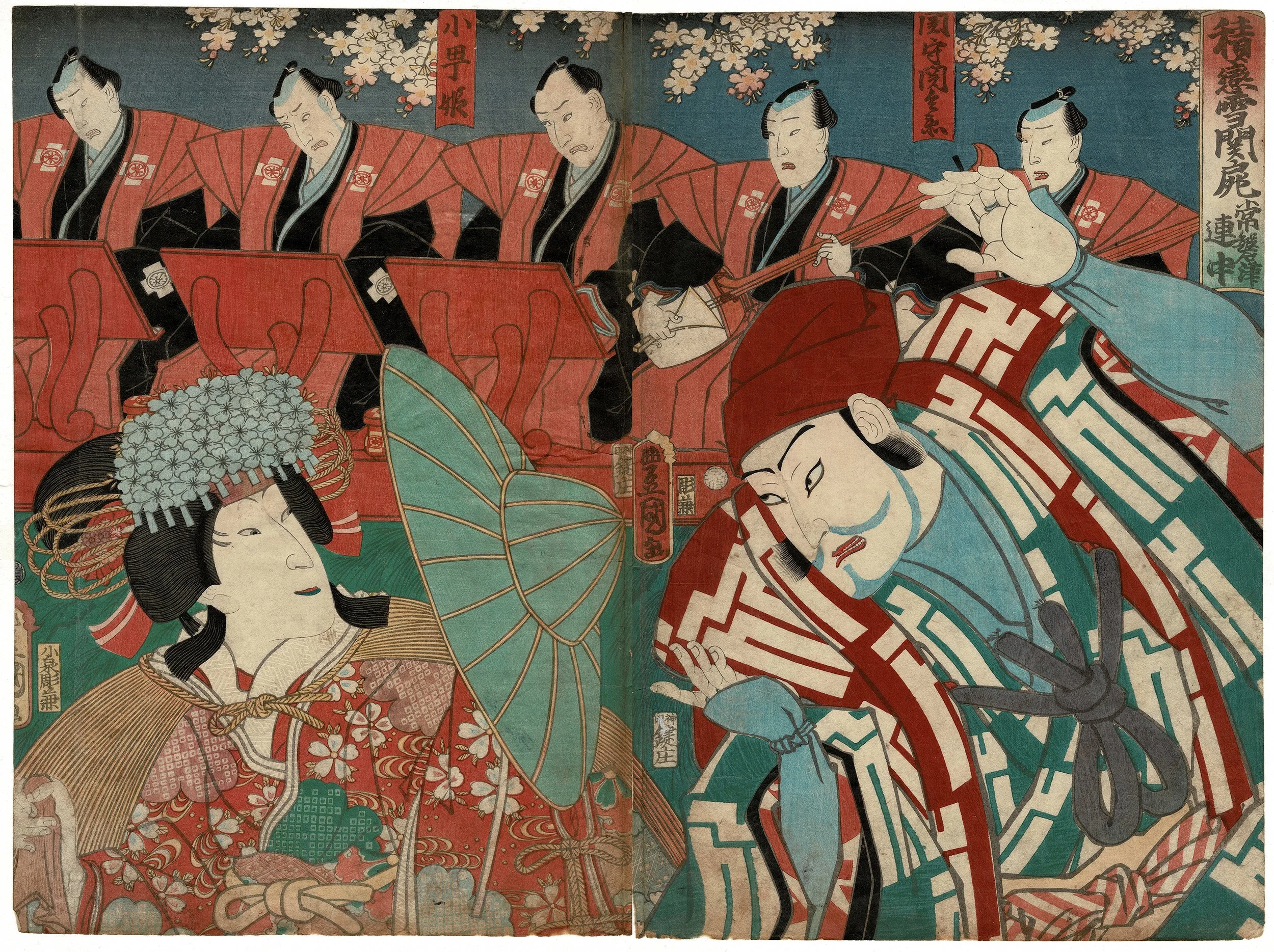
歌舞伎は、当初から役者、演奏者、観客、劇場建築が一体となった劇場空間であったことに焦点をあてます。また、女形における身体と衣裳の関係にも注目します。当時の浮世絵や資料と共に、今日の歌舞伎舞台で使用されている衣裳も展示します。
From its inception, kabuki has thrived as a theatrical space in which actors, musicians, audiences, and the architecture of the playhouse are brought together as one. This section examines that spatial unity while exploring the profound relationship between body and costume in the realization of the onnagata role. By presenting historical ukiyo-e and archival materials alongside costumes actually used on the kabuki stage today, it considers how the actor’s body, costume, and theatrical environment together give form to the spirit of performance.
3. 生と死
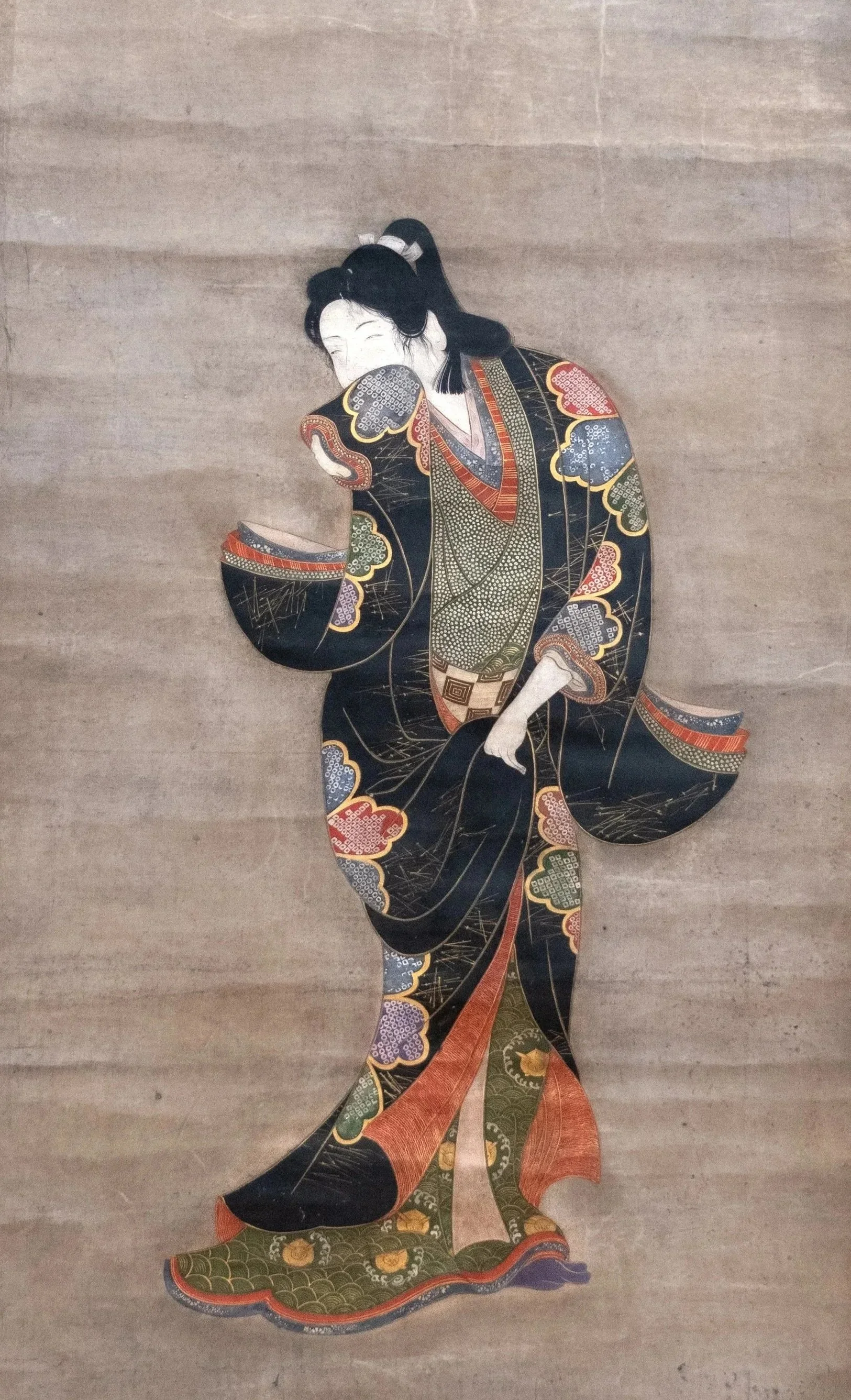
⼈間界と異界、⼈間と化物、変化(へんげ)、情念といったテーマは、⼥形の成⽴と発展に深く関わってきました。⼥形が単に⼥性を模倣する芸ではなく、古くから「⽣と死」を扱ってきたことに焦点をあてます。
Themes such as this world and other realms, the human and the supernatural, transformation, and deep emotion have been deeply connected to the formation and development of onnagata. This section considers onnagata not merely as an art of representing women, but as a performance form that has long engaged with the fundamental themes of life and death.
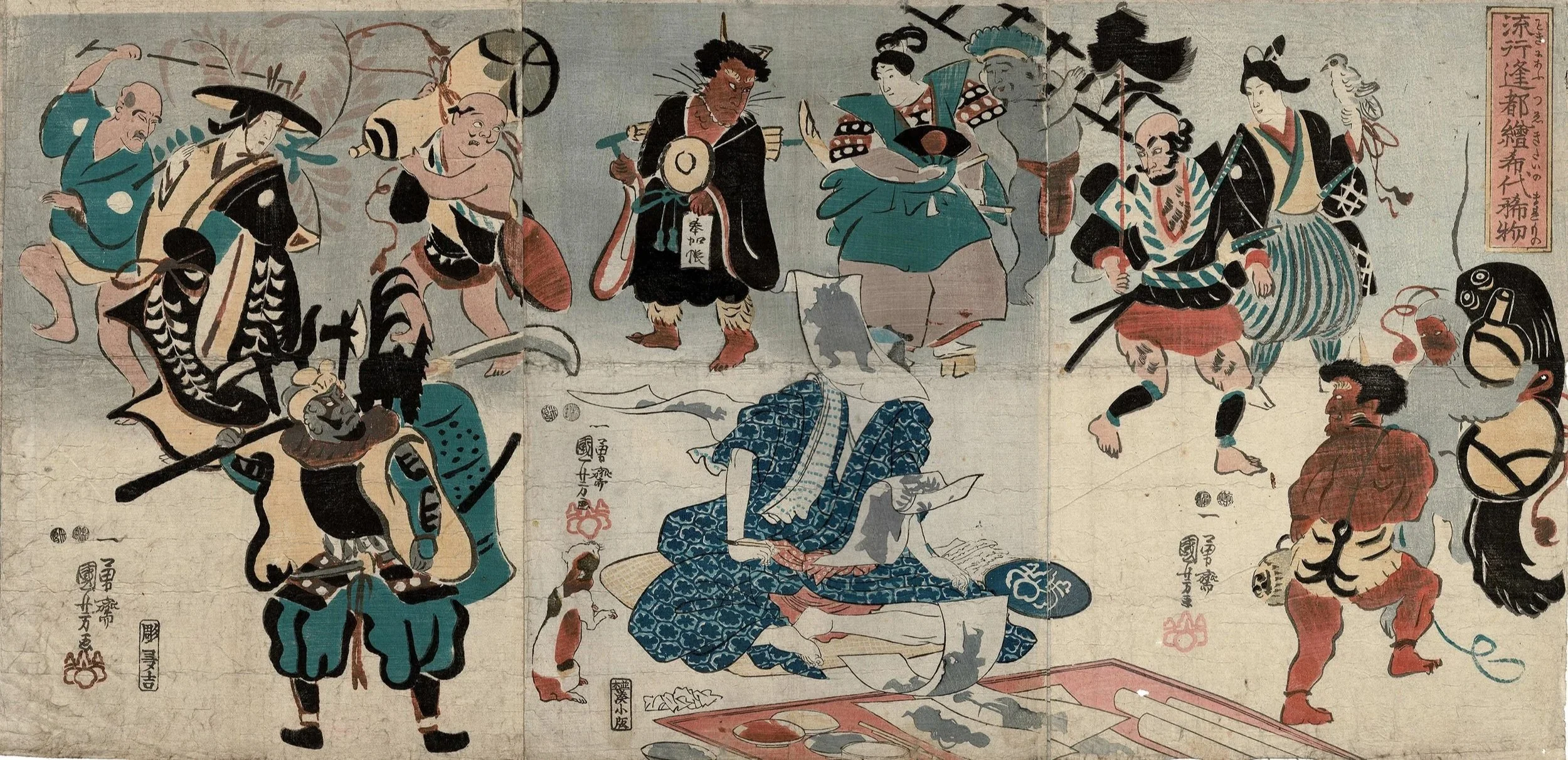
4. ⼥性による歌舞伎舞踊
江戸時代、大奥には女性の歌舞伎役者が出入りし、本格的な歌舞伎が上演されていたことが知られています。役者の家に生まれ本格的に芸を学んだ者や役者の門弟もおり、19世紀中期には藤間満多・水木歌仙・坂東三津江らを筆頭に数多くが名を連ねていました。ごく一部ながら、作品や資料をもとにその歴史に光をあてます。
During the Edo period, a distinctive performance culture emerged within the Ōoku, the women’s quarters of Edo Castle, where female kabuki actors staged full-scale kabuki productions for the shogunal household. Some were born into actor families and received artistic training, while others studied as disciples of established masters. By the mid-nineteenth century, figures such as Fujima Mata, Mizuki Kasen, and Bandō Mitsue had emerged as leading performers within this vibrant scene. Through carefully selected works and archival materials, this section sheds light on a little-known yet significant chapter in the history of kabuki.
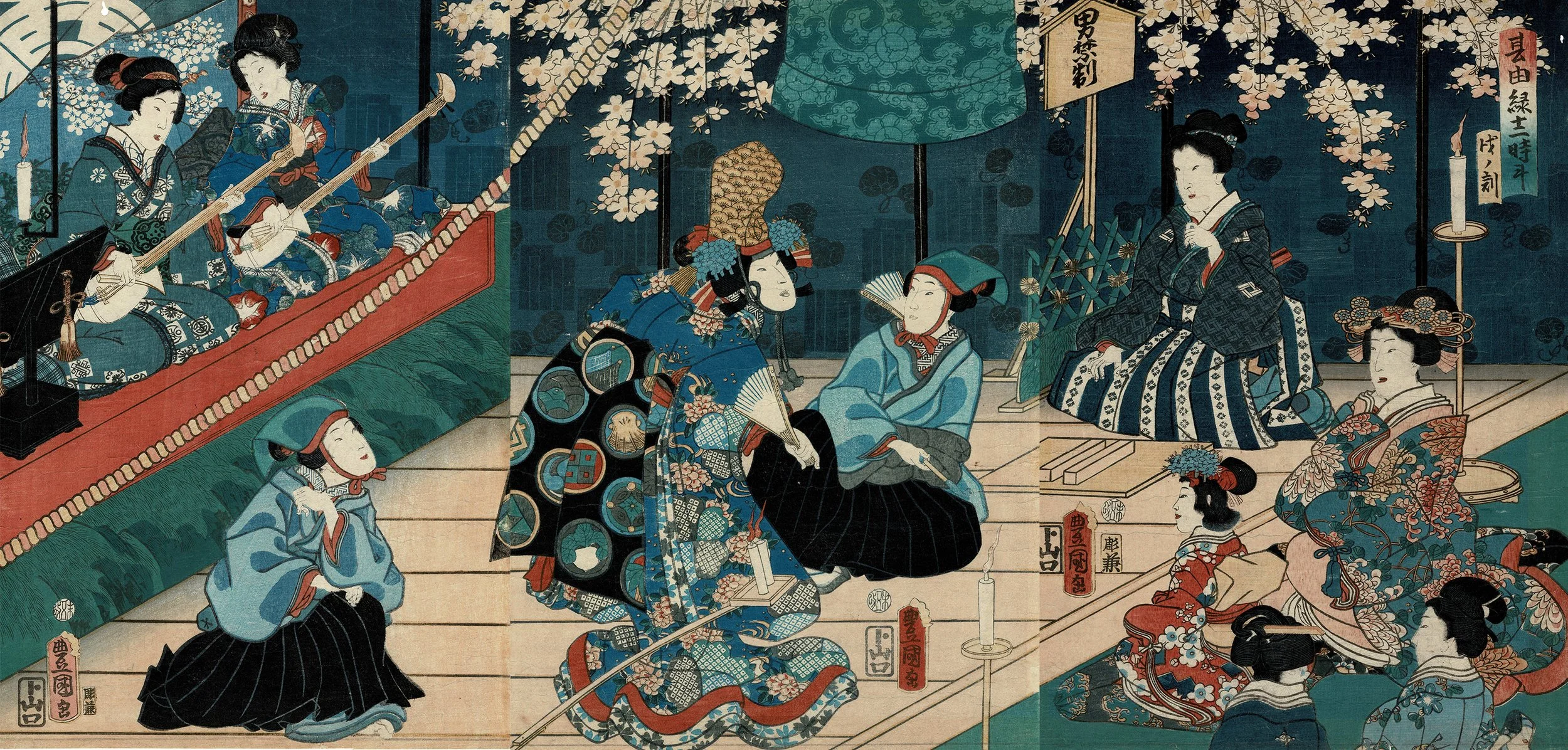
5. 2026 and beyond
古典との対話の中で、藤間蘭翔 / RANSHOUが制作してきた作品を紹介します。あわせて、さまざまな分野のクリエイターとの協働によって生まれたプロジェクトも展示します。古典の型を、過去から受け継がれた固定的な遺産として捉えるのではなく、その技術、記憶、感性が、現代における表現実践の中でどのように受け継がれ、響き続けうるのかを考察します。
This final section presents works created by RANSHOU in dialogue with the classics, including projects developed in collaboration with creators from various disciplines. Rather than treating classical forms as fixed inheritances of the past, these works explore how their techniques, memories, and sensibilities may continue to resonate within contemporary practice.
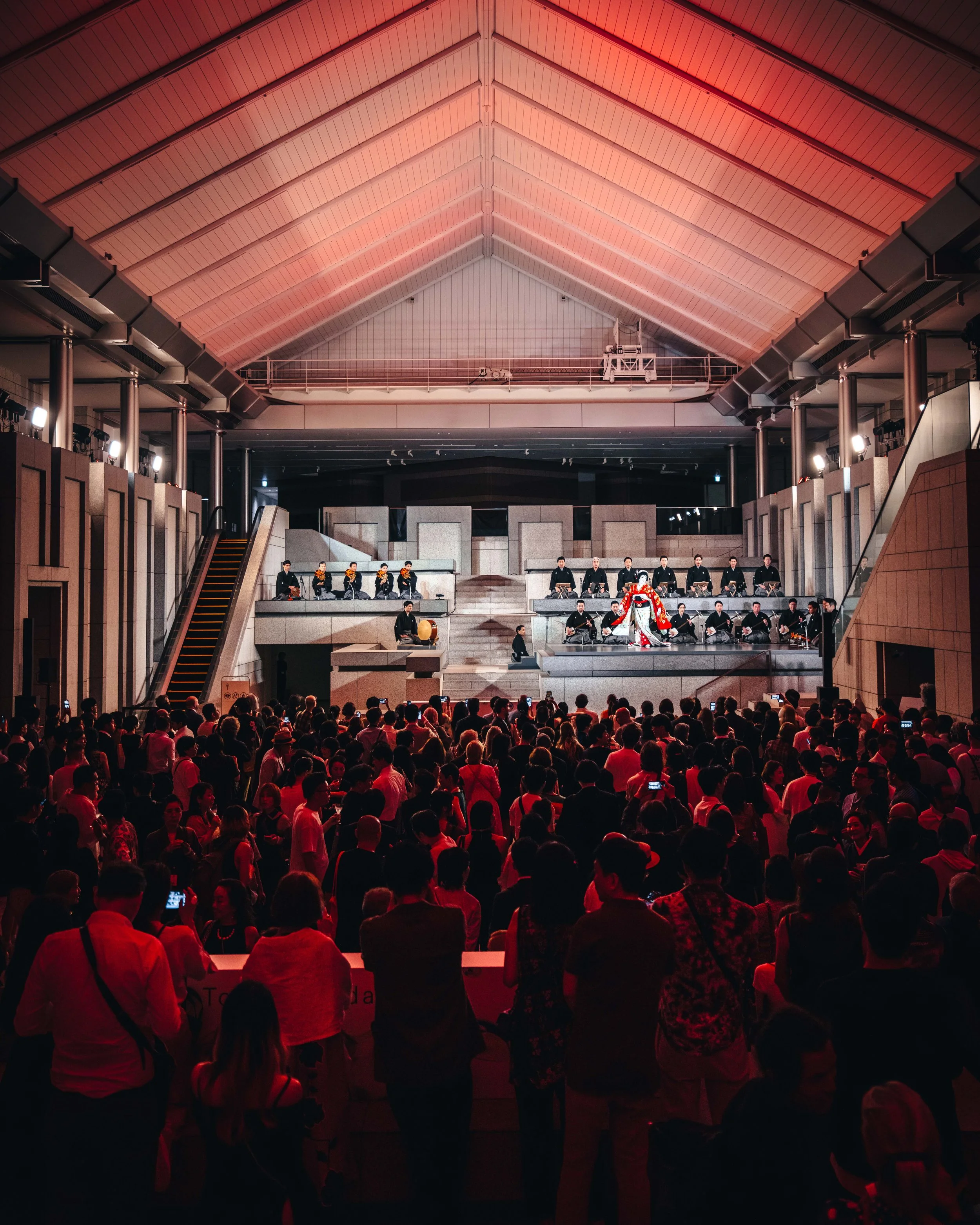
藤間蘭翔『京鹿子娘道成寺』, 横浜美術館
Photographer: RK
456 x 1031mm, Inkjet print, face-mounted to acrylic
Courtesy of Tokyo Gendai
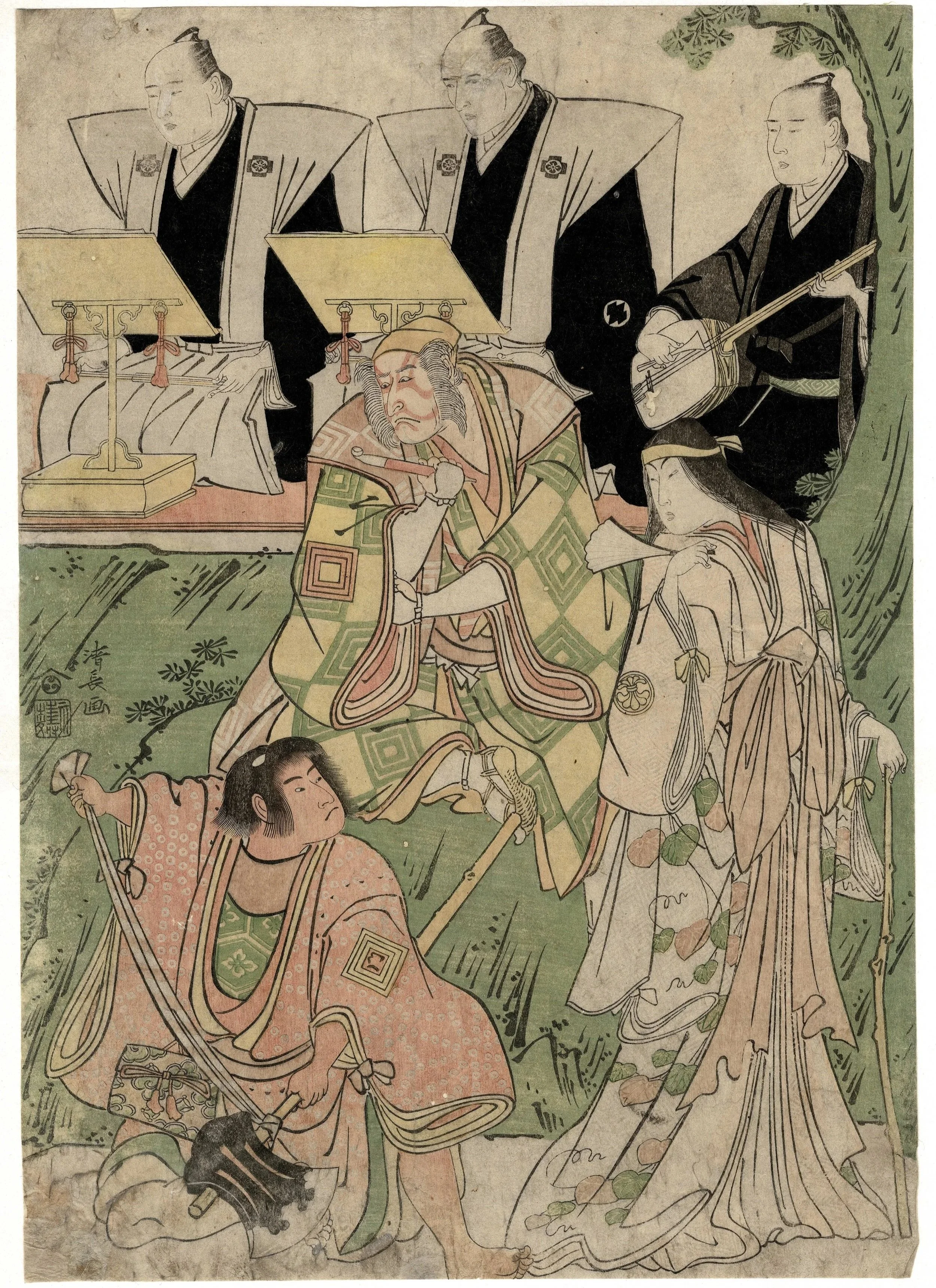
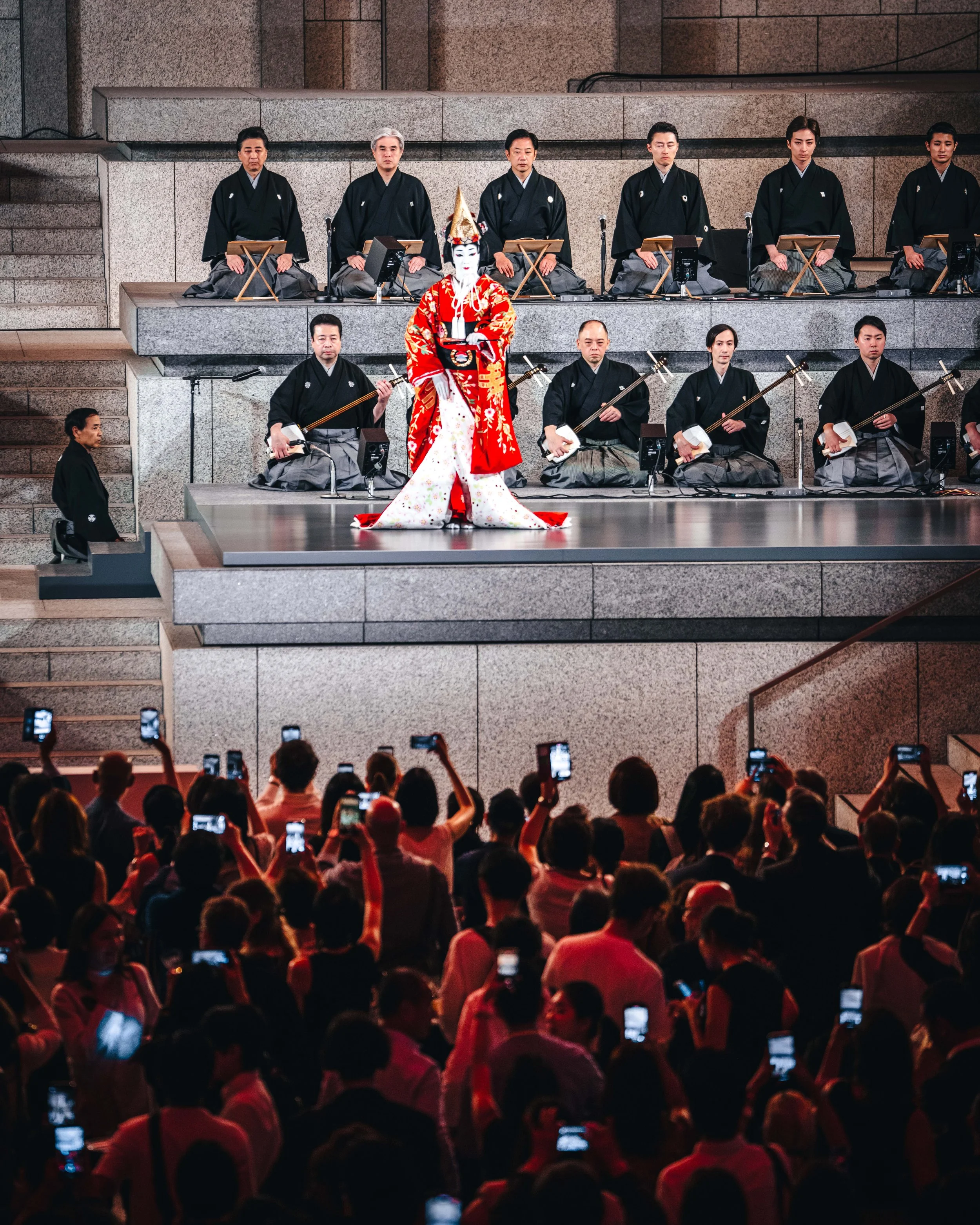
藤間蘭翔『京鹿子娘道成寺』, 横浜美術館
Photographer: RK
Dimensions variable, Inkjet print on washi paper
Courtesy of Tokyo Gendai
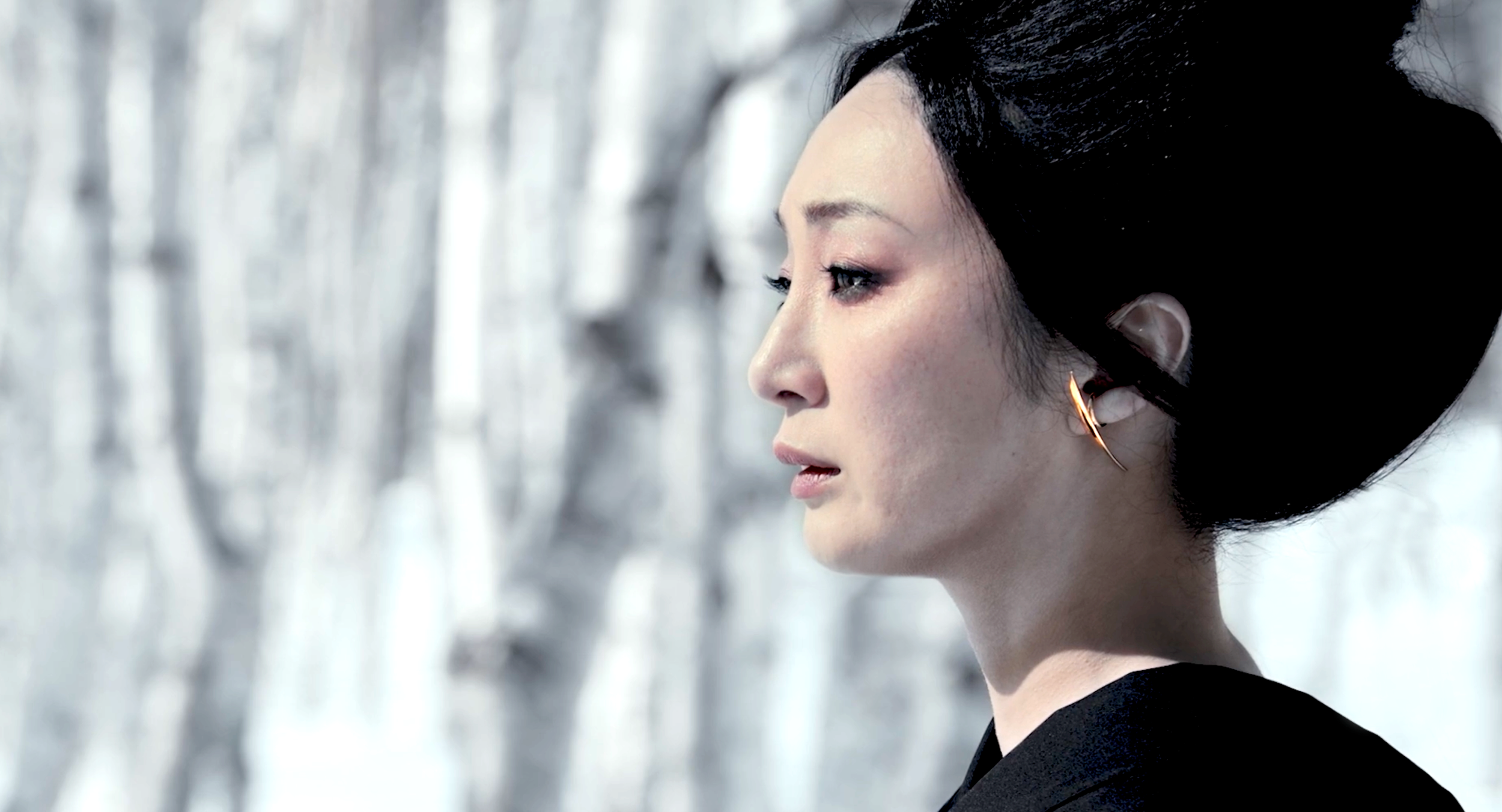
[Producer] RK, [Hair] Tomoko Sato, [Makeup] Yuka Washizu, [Music] Taro Ishida
Ear cuff: Shun Okubo